
TRT Australia has released a guide on the differences between testosterone replacement therapy (TRT) and testosterone supplements, highlighting which option men should choose depending on their circumstances.
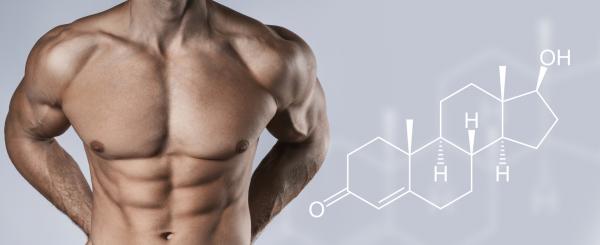
-- Adding to its resources on hormone therapy for men, TRT Australia has published a new guide that highlights the differences between testosterone replacement therapy and testosterone supplements. The guide goes over the benefits and risks of each option, as well as which method men should choose if they are suffering from low testosterone.
For more information, please visit https://trtaustralia.com/trt-vs-testosterone-supplements-differences-benefits-risks/
Deficiencies in androgens, especially testosterone, can cause numerous symptoms that impair quality of life, notes the team. Chronically low testosterone levels not associated with typical ageing may lead to persistent fatigue, weight gain, muscle loss, and cognitive dysfunction; they can also result in anaemia and osteoporosis, as testosterone plays a role in blood cell production and bone density. These symptoms can typically be corrected by restoring testosterone levels to normal amounts through testosterone replacement therapy (TRT), though some proponents believe that supplements can also be used to combat low testosterone levels.
Per TRT Australia’s guide, the key distinction between TRT and testosterone supplements lies in the delivery method: in TRT, bioidentical testosterone hormones are delivered directly into the bloodstream through injections, transdermal applications, or pellets, immediately increasing hormone levels in the body. As a result, TRT is very potent and can only be prescribed by a licensed physician if the patient presents with symptoms and blood tests confirm a clinical deficiency; TRT also requires constant monitoring by a professional to ensure the patient is responding appropriately to treatment.
By contrast, testosterone supplements are non-prescription products and are not subject to the same regulatory processes as TRT. These dietary supplements rarely contain actual testosterone, instead featuring herbal ingredients or nutrients that may be linked to hormone production and regulation. TRT Australia’s guide says that common ingredients found in supplements include D-aspartic acid, fenugreek, and ashwagandha, but it cautions readers against relying on these products for low testosterone, as there is little scientific evidence of their benefits in hormone therapy.
Nevertheless, TRT Australia’s guide notes that supplements are cheaper and can have a mild to moderate effect on testosterone levels, so they may be useful for boosting performance or mitigating age-related decline. However, the company concludes that TRT is still the more reliable option for men who have been diagnosed with low testosterone, often resulting in a reduction of symptoms within a few months.
More information is available at https://trtaustralia.com/
Contact Info:
Name: James Malachowski
Email: Send Email
Organization: TRT Australia
Address: 7–11 The Avenue, Hurstville, NSW 2220, Australia
Website: https://trtaustralia.com/
Source: PressCable
Release ID: 89195930
If you come across any problems, discrepancies, or concerns related to the content contained within this press release that necessitate action or if a press release requires takedown, we strongly encourage you to reach out without delay by contacting error@releasecontact.com (it is important to note that this email is the authorized channel for such matters, sending multiple emails to multiple addresses does not necessarily help expedite your request). Our committed team will be readily accessible round-the-clock to address your concerns within 8 hours and take appropriate actions to rectify identified issues or support with press release removals. Ensuring accurate and reliable information remains our unwavering commitment.