In today’s fast-paced business world, logistics plays a pivotal role in ensuring products reach customers efficiently and cost-effectively. Companies that fail to optimize their logistics processes often face higher operational costs, delayed deliveries, and dissatisfied customers. This is where logistics optimization becomes essential. By leveraging advanced tools and strategies, businesses can streamline their operations, reduce waste, and gain a competitive edge in the market.
For businesses seeking to improve their delivery systems, platforms like Cigo Tracker provide comprehensive solutions for logistics optimization, helping companies achieve operational excellence.
What is logistics optimization?
Logistics optimization refers to the process of improving the efficiency, speed, and accuracy of a company’s supply chain and transportation network. It involves planning and executing the movement of goods, resources, and information in a way that reduces costs while maintaining high levels of customer satisfaction.
Key components of logistics optimization include:
- Route Planning: Identifying the fastest and most cost-effective routes for deliveries.
- Fleet Management: Monitoring vehicle performance, fuel usage, and maintenance schedules.
- Inventory Management: Ensuring the right products are available at the right time to avoid shortages or overstocking.
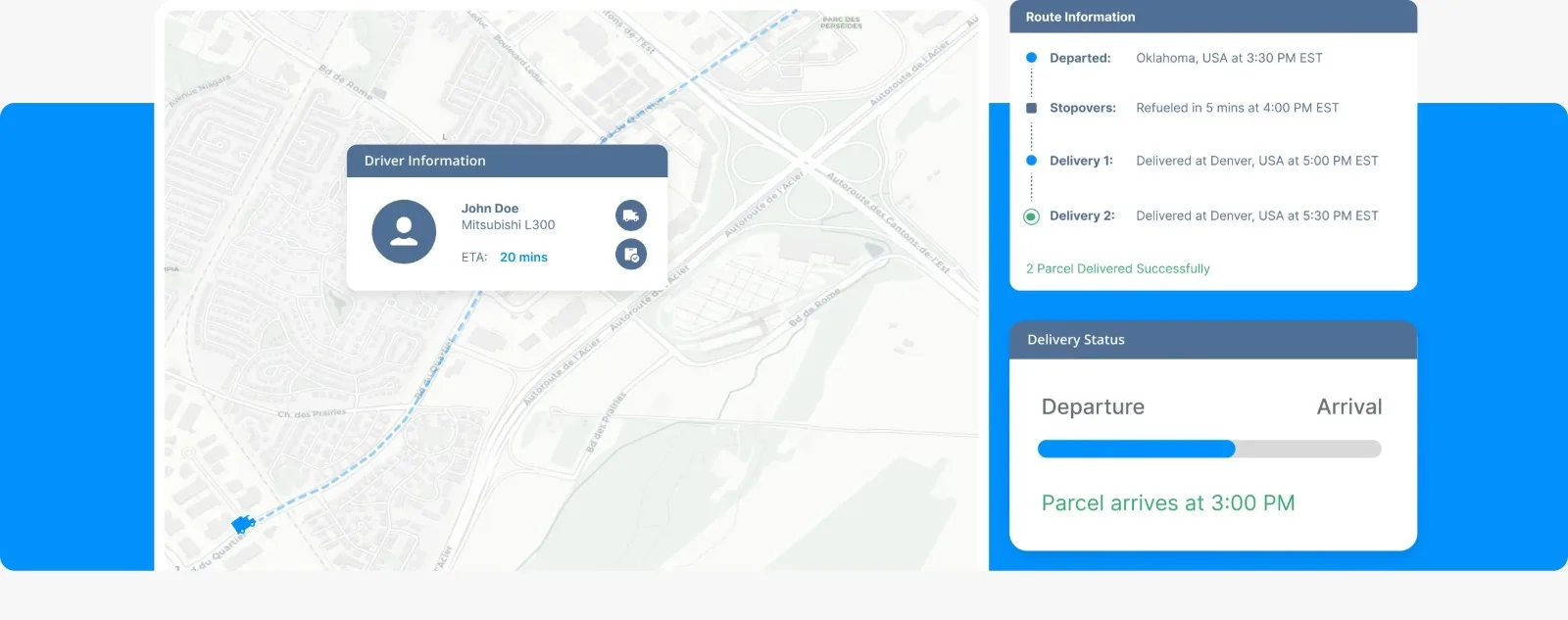
- Real-Time Tracking: Providing visibility into the movement of goods, allowing quick adjustments when issues arise.
Implementing these strategies can dramatically reduce operational inefficiencies, enhance productivity, and improve customer service.
Why Businesses Need Logistics Optimization
With rising customer expectations and increasing operational costs, businesses cannot afford to rely on outdated logistics practices. Here are several reasons why logistics optimization is crucial:
1. Reduce Operational Costs
Inefficient routes, excess fuel consumption, and poor inventory management can lead to high expenses. Logistics optimization helps identify areas where costs can be reduced, such as optimizing delivery routes or minimizing idle time for vehicles.
2. Improve Delivery Speed
Customers today expect fast, reliable deliveries. Optimized logistics processes ensure that products are delivered on time, improving customer satisfaction and loyalty.
3. Enhance Supply Chain Visibility
With logistics optimization tools, businesses gain real-time insights into every stage of the supply chain. This allows managers to track shipments, monitor performance, and address delays before they impact the customer.
4. Boost Productivity
By automating manual tasks and providing actionable data, logistics optimization frees employees to focus on higher-value activities, ultimately boosting overall productivity.
Key Strategies for Logistics Optimization
To achieve effective logistics optimization, businesses should consider the following strategies:
Route Optimization
Route optimization ensures that deliveries take the most efficient path. By using advanced algorithms, companies can reduce travel time, fuel consumption, and vehicle wear-and-tear. This not only saves money but also allows for more deliveries in a day.
Fleet Tracking and Management
A well-managed fleet is the backbone of logistics optimization. GPS tracking and telematics help managers monitor vehicle location, speed, and fuel usage. This data helps prevent delays, reduce accidents, and schedule preventive maintenance.
Inventory Control
Proper inventory management ensures that products are available when needed without overstocking. Logistics optimization tools can predict demand, manage stock levels, and automatically reorder products, keeping operations smooth.
Data Analytics
Analyzing logistics data is critical to continuous improvement. Businesses can identify trends, uncover inefficiencies, and make informed decisions to optimize their supply chain operations further.
Automation
Automating routine processes like order processing, shipment scheduling, and reporting reduces human error and speeds up operations. Integration of AI and machine learning in logistics optimization allows predictive planning and better decision-making.
Benefits of Logistics Optimization
Implementing logistics optimization offers numerous advantages for businesses:
- Cost Savings: Reduce fuel, labor, and maintenance expenses through smarter planning.
- Faster Deliveries: Improve delivery times and meet customer expectations.
- Better Customer Experience: Real-time tracking and reliable delivery enhance customer satisfaction.
- Scalability: Optimized logistics processes allow businesses to expand operations without proportional increases in costs.
- Sustainability: Efficient routes and optimized fleets reduce carbon emissions, supporting environmental goals.
By focusing on logistics optimization, businesses can operate more efficiently and remain competitive in a rapidly evolving market.
Logistics Optimization Tools: Cigo Tracker
Modern technology plays a crucial role in logistics optimization. Cigo Tracker offers a suite of features designed to streamline delivery operations and enhance visibility across the supply chain. Key features include the following:
- Real-Time Tracking: Monitor shipments and drivers in real time.
- Automated Route Planning: Optimize delivery routes for efficiency.
- Driver Performance Analytics: Track performance metrics to improve accountability.
- Alerts and Notifications: Stay updated on delays, traffic, and exceptions.
- Inventory Management Integration: Sync with inventory systems for better stock control.
Using tools like Cigo Tracker allows businesses to implement logistics optimization seamlessly, providing actionable insights that drive efficiency and profitability.
How to Implement Logistics Optimization in Your Business
Implementing logistics optimization requires careful planning and execution. Here’s a step-by-step approach:
- Assess Current Operations: Identify inefficiencies, bottlenecks, and areas of improvement in your supply chain.
- Set Clear Goals: Define objectives, such as reducing delivery time, cutting fuel costs, or improving customer satisfaction.
- Adopt Technology Solutions: Invest in logistics optimization software like Cigo Tracker to automate and streamline processes.
- Train Staff: Ensure employees understand new tools, workflows, and best practices.
- Monitor and Adjust: Continuously analyze logistics data to refine operations and implement improvements.
This approach ensures a smooth transition to optimized logistics operations with measurable results.
The Future of Logistics Optimization
The logistics industry is evolving rapidly, driven by technology, changing consumer expectations, and environmental concerns. In the future, logistics optimization will increasingly rely on:
- Artificial Intelligence: Predictive analytics for demand forecasting and route planning.
- Internet of Things (IoT): Connected sensors for real-time monitoring of vehicles, inventory, and shipments.
- Sustainable Logistics: Eco-friendly practices and green supply chains to reduce carbon footprints.
- Autonomous Vehicles: Self-driving trucks and drones for faster and safer deliveries.
Businesses that adopt advanced logistics optimization strategies will be well-positioned to thrive in this changing landscape.
Conclusion
Logistics optimization is no longer optional; it’s a necessity for businesses that want to stay competitive, reduce costs, and improve customer satisfaction. By implementing strategies like route optimization, fleet management, inventory control, and data analytics, companies can transform their supply chain operations.
Platforms like Cigo Tracker provide the tools necessary to implement logistics optimization effectively, allowing businesses to operate efficiently, scale sustainably, and meet the growing demands of modern customers.
Investing in logistics optimization is an investment in operational excellence, customer satisfaction, and long-term growth.