MELBOURNE, AUSTRALIA / ACCESS Newswire / March 9, 2026 / Hair transplantation has long been associated with male pattern baldness, but that perception is shifting. Clinics across Australia, the United Kingdom, and the United States are reporting a steady rise in female consultations for hair restoration procedures as awareness of hair health and treatment options continues to grow.
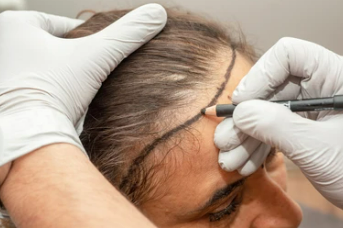
Industry observations indicate that women now represent approximately 15 to 25% of hair transplant consultations, with higher participation reported in metropolitan areas. Specialists attribute the increase not simply to aesthetic trends, but to improved diagnostic methods, broader medical understanding of female pattern hair loss, and growing openness around discussing hair thinning.
Greater Awareness Is Driving Earlier Consultations
Female hair loss often presents differently than male pattern baldness. Instead of a receding hairline or pronounced crown baldness, many women experience diffuse thinning across the mid-scalp, commonly classified under the Ludwig scale.
Australian data suggests that up to 40% of women experience noticeable hair thinning by age 50. Contributing factors can include hormonal changes, genetic predisposition, iron deficiency, thyroid disorders, autoimmune conditions, and life stages such as postpartum recovery or menopause.
At the same time, shifting social attitudes have made discussions about ageing, skin health, and cosmetic treatments more open. As a result, more women are choosing to seek professional assessment earlier in the progression of hair thinning.
Earlier consultations often provide clinicians with a wider range of management options, allowing treatments to focus on stabilizing hair loss before surgical intervention is considered.
Clinics Increasingly Use Diagnosis-First Evaluation Models
One of the most significant changes in female hair restoration is the adoption of diagnosis-first treatment pathways.
Rather than immediately discussing surgery, many clinics begin with a comprehensive medical assessment. These evaluations may include:
Detailed medical and lifestyle history
Family history of hair loss
Blood testing for iron deficiency or thyroid disorders
Dermatoscopic scalp examination
Measurement of hair shaft thickness and density
Diffuse hair loss in women can be caused by several underlying conditions. Telogen effluvium, for example, is often temporary and may resolve after addressing the underlying trigger. Alopecia areata requires different medical management, while traction alopecia, linked to tight hairstyles, follows its own progression pattern.
Only after identifying the underlying cause can clinicians determine whether transplantation is appropriate. In some cases, medical therapy, nutritional treatment, or Plasma Growth Factor Treatment may be recommended before surgical planning begins.
This structured approach helps reduce the risk of transplanting hair into unstable areas and protects donor hair reserves, which are particularly important in female patients.
Surgical Planning Differs Significantly From Male Procedures
Hair transplant strategies for women are designed differently from those used for male pattern baldness.
The most common presentation among female patients is diffuse mid-scalp thinning, where the hairline remains largely intact but overall density decreases along the central parting. In such cases, the goal is not to recreate a new hairline but to increase density within existing hair.
This process requires placing grafts between existing follicles while avoiding damage to native hair. Surgeons typically use smaller recipient sites and precision instruments to minimize trauma.
Some women experience frontal hairline thinning, particularly following menopause or long-term traction from tight hairstyles. In these situations, surgical design focuses on creating a softer, natural-looking hairline that aligns with female facial proportions.
Hair transplantation may also be considered for traction alopecia or certain forms of scarring alopecia, provided the underlying condition has stabilized.
Donor Area Assessment Is Critical in Female Patients
Donor hair availability plays a crucial role in planning female hair restoration procedures.
Unlike men, many women experience diffuse thinning that can extend into traditional donor zones, which complicates surgical planning. Specialists therefore rely on trichoscopic imaging to evaluate follicle health and detect early miniaturization.
If thinning is present within the donor region, clinicians may recommend medical stabilization before considering transplantation.
Because women typically wear their hair longer, surgeons also focus on strategic extraction patterns to ensure donor areas blend naturally whether hair is worn up or down.
Technique and Instrumentation Continue to Improve
Modern hair transplantation techniques rely on follicular unit extraction (FUE), which uses micro-surgical punches to harvest individual follicular units.
Magnification tools help surgeons match the natural angle and direction of hair growth. Graft survival is supported through controlled temperature conditions, hydration protocols, and minimized time outside the body.
Women generally require fewer grafts than male patients, since procedures often focus on density enhancement rather than complete bald area coverage.
Integrated Treatment Approaches Are Increasingly Common
Management of female hair loss increasingly combines surgical and non-surgical therapies.
Common complementary treatments include:
Topical or oral medications to stabilize androgen-related thinning
Iron supplementation for deficiency-related shedding
Plasma Growth Factor Treatment to support follicle activity
This integrated approach aims to address both the underlying medical causes and cosmetic density improvements.
In major cities such as Melbourne, multidisciplinary teams may collaborate on diagnosis, treatment planning, and post-procedure care to support long-term hair health.
Educated Patients Are Shaping Consultation Discussions
Clinicians report that many female patients arrive for consultations having researched hair loss treatments online. While this awareness can help patients ask informed questions, medical consultations typically focus on setting realistic expectations.
Discussions often include:
Achievable hair density levels
The timeline for visible growth
The possibility of ongoing thinning in untreated areas
Long-term maintenance strategies
Hair growth following transplantation follows a predictable cycle. Transplanted hairs usually shed within several weeks before new growth begins around three to four months, with continued thickening over approximately 12 months.
Demand Reflects Broader Changes in Hair Health Awareness
The growing number of female consultations reflects broader changes in how women approach hair health. Greater awareness, improved diagnostic tools, and refined surgical techniques have contributed to more structured treatment pathways.
Clinics providing hair transplant in Melbourne report increasing interest from women seeking medical evaluation for thinning hair.
Experts emphasize that not every patient requires transplantation. In many cases, medical therapy alone may effectively stabilize hair loss when identified early.
Regulated Medical Care Remains Essential
Hair transplantation is a medical procedure that must be performed by qualified practitioners. In Australia, providers must comply with standards established by the Australian Health Practitioner Regulation Agency (AHPRA), including requirements related to medical registration, advertising transparency, and informed consent.
Patients considering treatment are typically advised to verify:
Medical practitioner registration
Experience in female hair loss management
Transparent consultation processes
Clear explanation of risks and recovery expectations
When performed in appropriate clinical settings by trained medical professionals, hair transplantation is generally considered safe, although-as with any medical procedure-potential risks can include infection, scarring, or uneven growth.
A Changing Landscape in Hair Loss Treatment
The rise of female hair transplantation reflects a broader evolution in the management of hair thinning among women. As research into hair follicle biology continues, specialists expect treatment planning to become increasingly individualized.
Future developments may include advanced imaging technologies and genetic profiling, which could further refine patient selection and treatment strategies.
For now, clinicians emphasize that early diagnosis, conservative planning, and evidence-based treatment remain the key elements in managing female hair loss effectively.
In hair restoration in Melbourne, the focus remains on long-term hair health.
Media info
Organization: Hair Doctors
Email: info@hairdoctors.com.au
Website: https://www.hairdoctors.com.au
SOURCE: Hair Doctors
View the original press release on ACCESS Newswire