As prices continue to rise, Japanese consumers are paying closer attention to the value of the products they buy. The Kanto Smart Living Cooperative recommends comparing unit prices, checking private-label products, considering actual usage, and making use of discounts and loyalty-point rewards to make everyday spending more cost-effective.
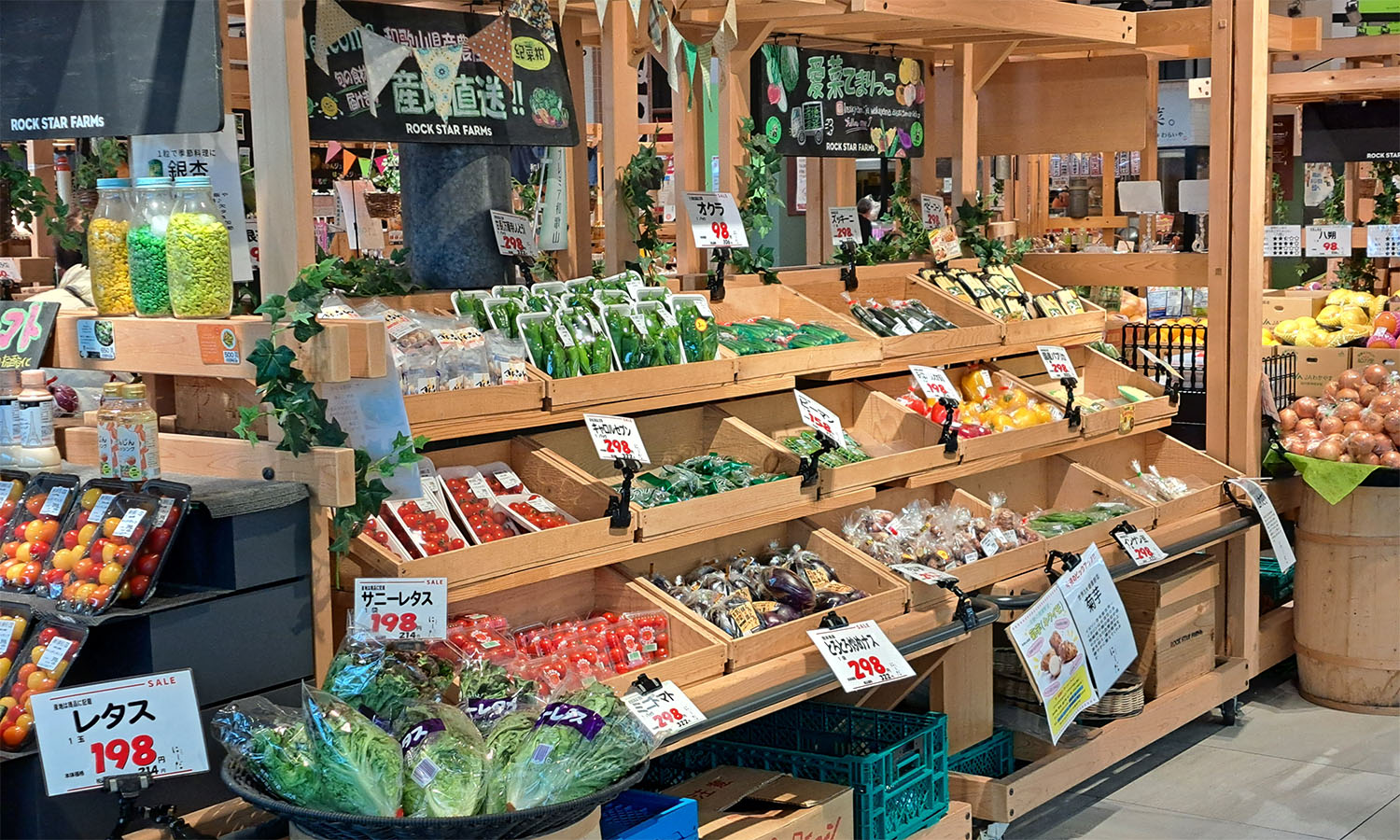
TOKYO, JAPAN (MERXWIRE) – As food prices continue to attract attention in Japan, consumers are becoming more careful about how they shop. In supermarkets, shoppers are increasingly looking beyond the price tag to compare package sizes, unit prices and differences between brands before deciding which product offers better value.
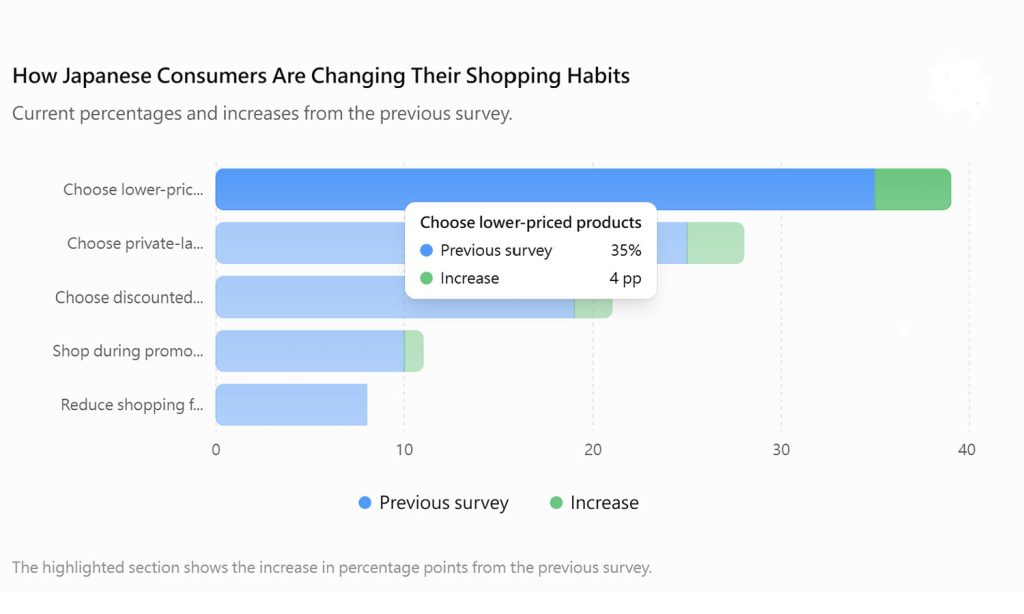
The Kanto Smart Living Cooperative’s Consumer Behavior Survey found that 39% of respondents said they would prioritize lower-priced products after food prices increased, up 4 percentage points from the previous survey. Another 28% said they would prioritize private-label products, an increase of 3 percentage points. The findings suggest that consumers are not simply cutting spending, but are also changing how they evaluate products and make purchasing decisions.
According to Japan’s Statistics Bureau, the nationwide Consumer Price Index (CPI) rose 1.9% year on year in July 2026. With food and everyday household goods remaining a focus for consumers, not all household expenses can easily be reduced. Finding products that meet actual needs while staying within a limited budget has therefore become an increasingly important part of everyday shopping.
The Kanto Smart Living Cooperative recommends four ways to shop more carefully: compare unit prices, check private-label products, consider actual household usage, and make effective use of discounts and loyalty-point rewards. Comparing prices per 100 grams or 100 milliliters, for example, can make it easier to determine the real price difference between products with different package sizes.
Private-label products can also provide a lower-cost alternative, but the cooperative advises consumers not to compare prices alone. Shoppers can compare private-label and national-brand products based on package size, ingredients and quality before deciding whether a switch makes sense. Larger packages may offer a lower unit price, but buying more than a household can actually use may ultimately lead to waste.
Discounts, loyalty points and promotional bundles can also help reduce spending, but the cooperative recommends checking whether the product is actually needed before making a purchase. Buying something simply because it is on sale can result in higher overall spending rather than real savings.
This changing mindset is also reflected in Google Trends search data in Japan. Searches for “値上げ” (price increases) have shown several noticeable peaks since 2022, while “最安値” (lowest price) has maintained a steady level of interest. Searches for “コスパ,” meaning cost performance or value for money, have also gradually gained attention compared with earlier periods. The chart shows average search interest of 19 for “最安値,” 14 for “値上げ” and 11 for “コスパ,” suggesting that consumers are paying attention not only to rising prices but also to lower-cost and higher-value options.
The Kanto Smart Living Cooperative said this more calculated approach to shopping is not simply about choosing the cheapest product. Instead, consumers are increasingly weighing price, package size, quality, brand and actual household needs together. As living costs remain a concern, shoppers are increasingly asking not only “How much does it cost?” but also whether what they receive for that price is worth it for their needs.
Media Contacts:
Kanto Smart Living Cooperative
PR Agency:
MERXWIRE INC.
Ada Huang
pr@merxwire.com
SOURCE: Kanto Smart Living Cooperative