As of early January 2026, the S&P 500 has entered a new era of corporate financial strategy, defined by a record-breaking surge in share repurchases. In 2025, the total value of buybacks in the index surpassed a staggering $1.1 trillion, a historic milestone that has fundamentally reshaped market dynamics. This massive deployment of capital has acted as a critical floor for stock prices, providing stability during periods of macroeconomic uncertainty and driving per-share earnings growth even in sectors where top-line revenue has remained relatively flat.
The immediate implication of this trend is a widening gap between a company’s market capitalization and its stock price performance. By aggressively reducing share counts, corporations are effectively "manufacturing" value for remaining shareholders. This strategy has become the primary tool for management teams to signal confidence and defend against market volatility, with the "top 100" buyback-heavy stocks delivering yields that far outpace traditional dividends.
The surge in buyback activity reached its zenith in late 2025, following a year of intense pressure from activist investors and a stabilization of interest rates. A standout example of this shift is Southwest Airlines (NYSE: LUV), which transformed its capital allocation strategy under the watchful eye of Elliott Investment Management. After a contentious period that saw the activist firm secure a 14.8% stake and six board seats, Southwest pivoted from a conservative, "unlevered" balance sheet approach to an aggressive return-of-capital model.
The timeline for Southwest’s transformation began in late 2024 with an initial $2.5 billion buyback authorization. This was followed by an additional $2.0 billion program announced in July 2025. By the end of 2025, Southwest had spent approximately $2.75 billion on repurchases, resulting in a buyback yield of 12.6%—one of the highest in the industrial sector. The market reaction was swift; while the company’s underlying business faced a "choppy" operating environment, the stock price surged 23% in 2025, significantly outperforming the growth of its total market capitalization.
This phenomenon was not isolated to the airline industry. Across the S&P 500, the first quarter of 2025 saw a record $293.5 billion in repurchases. Although a brief dip occurred in the second quarter due to concerns over trade tariffs and policy shifts, the second half of the year saw a massive rebound. Key players like Apple (NASDAQ: AAPL), Alphabet (NASDAQ: GOOGL), and Meta Platforms (NASDAQ: META) continued to lead in total dollar volume, but it was the high-yield "value" stocks that truly captured investor attention by delivering double-digit buyback yields.
The primary winners in this environment are shareholders of companies with robust cash flows and high buyback yields. Marathon Petroleum (NYSE: MPC) emerged as a leader in this space, maintaining a buyback yield exceeding 21% by spending roughly $9 billion on its $43 billion market cap. Similarly, General Motors (NYSE: GM) utilized an 10.8% yield to help its shares gain over 50% throughout 2025. These companies have successfully used repurchases to amplify shareholder returns, effectively rewarding those who held through periods of industry-wide transition.
However, the aggressive pursuit of buybacks creates potential losers, particularly among companies that may be sacrificing long-term capital expenditure (CapEx) or research and development (R&D) for short-term price support. Critics point to firms in the retail and consumer discretionary sectors, such as Etsy (NASDAQ: ETSY), which maintained a 16% buyback yield despite facing significant stock price volatility and shifting consumer trends. For these companies, the risk is that repurchases may provide a temporary cushion but fail to address underlying structural challenges in their business models.
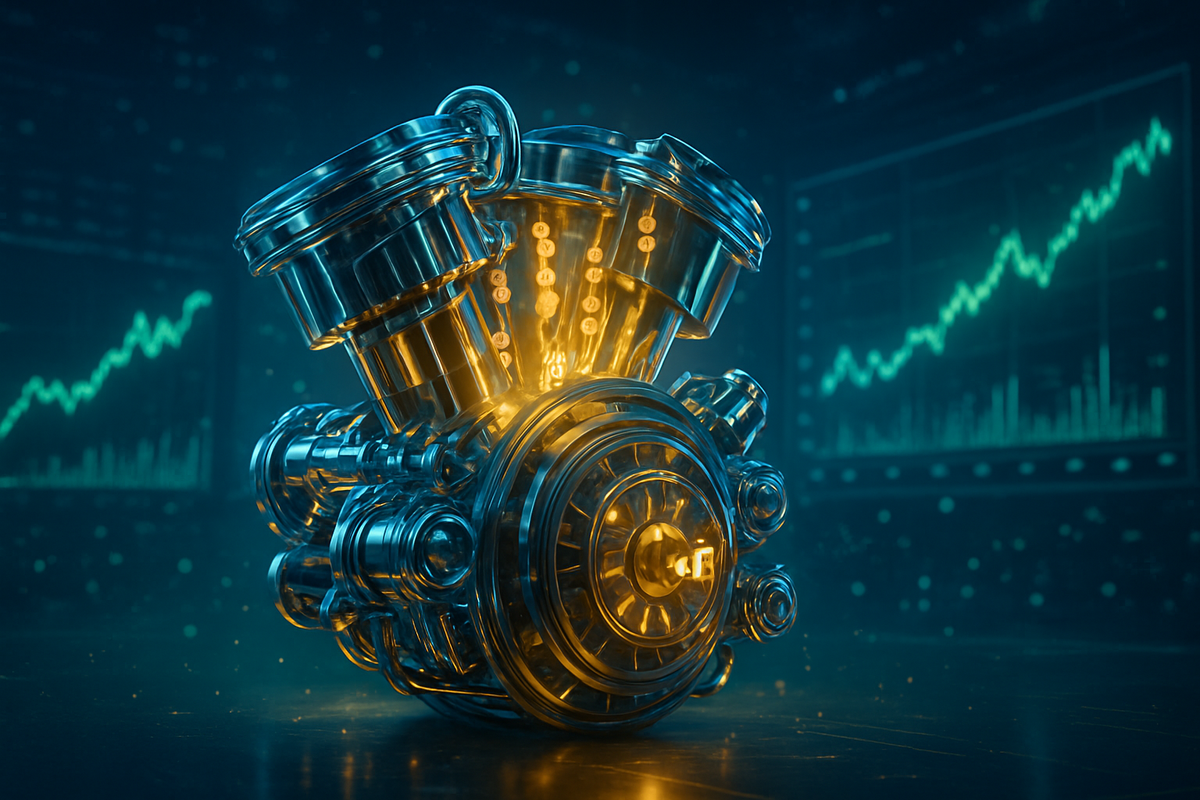
Furthermore, companies with high debt loads or those in capital-intensive industries that are forgoing necessary infrastructure upgrades may find themselves at a disadvantage in the long run. While the "buyback engine" is running hot now, firms that neglect innovation could lose market share to more agile competitors who prioritized R&D over share count reduction. Investors are increasingly scrutinizing whether a high buyback yield is a sign of a healthy, cash-rich business or a desperate attempt to mask stagnant growth.
This trend fits into a broader industry shift toward "shareholder-first" activism. The role of firms like Elliott Investment Management at Southwest Airlines highlights a growing intolerance among institutional investors for "lazy" capital. In 2025, roughly one in six S&P 500 companies had an activist investor on its register, and the average time to settle these disputes dropped to just 16.5 days. Boards are now more likely to preemptively announce accelerated share repurchases (ASRs) to avoid protracted proxy battles, a significant shift from the defensive postures seen in previous decades.
Historically, buybacks have been criticized as "financial engineering," and the 2025-2026 cycle is no different. The practice has become a volatility dampener; during the market correction in April 2025, corporate demand for their own shares provided the necessary liquidity to prevent a deeper sell-off. This has led to a high correlation between buyback activity and market stability, raising questions about what happens if corporate cash piles eventually dwindle or if regulatory changes, such as increased taxes on repurchases, are enacted.
The ripple effects are also felt by competitors. When a major player like Southwest or Kroger (NYSE: KR)—which ended 2025 with a 14.4% yield—commits to massive buybacks, it puts pressure on peers to follow suit or risk seeing their own valuations languish. This "arms race" for shareholder returns has led to a sector-wide re-rating of many industrial and consumer stocks, as investors now demand a clear and aggressive capital return policy as a prerequisite for investment.
Looking ahead to the remainder of 2026, the sustainability of this buyback pace is the central question for the market. In the short term, the momentum appears likely to continue as long as corporate earnings remain resilient and cash balances stay near record highs. However, a potential strategic pivot may be required if interest rates begin to climb again or if the political climate shifts toward more stringent regulation of corporate capital allocation.
Market opportunities will likely emerge in sectors that have yet to fully embrace the buyback trend, such as certain pockets of healthcare and utilities. Conversely, the challenge for "buyback kings" like Tapestry (NYSE: TPR) and General Motors will be maintaining these high yields without compromising their balance sheet integrity. We may see a shift toward more balanced strategies where companies pair moderate buybacks with increased dividends to provide a more diversified return profile for shareholders.
Potential scenarios for late 2026 include a "buyback fatigue" where the impact of repurchases on stock prices begins to diminish, leading investors to refocus on organic growth metrics. Alternatively, if the S&P 500 continues to see double-digit EPS growth fueled by share count reductions, the index could reach even more ambitious targets, further cementing buybacks as the dominant force in modern equity markets.
The high buyback yields of 2025 and early 2026 have proven to be a formidable force in the S&P 500, with Southwest Airlines serving as a prime example of how activist pressure and aggressive capital return can re-energize a stock. The record $1.1 trillion in repurchases has provided a safety net for the market, driving EPS growth and supporting valuations across diverse sectors. For investors, the takeaway is clear: in the current environment, a company's ability and willingness to buy back its own shares is often as important as its underlying operational performance.
Moving forward, the market will be watching for signs of exhaustion in this trend. Investors should keep a close eye on corporate cash flow statements and any shifts in the regulatory landscape that might dampen the appeal of repurchases. While the "buyback engine" is currently firing on all cylinders, the long-term winners will be those companies that can strike a balance between returning cash to shareholders and investing in the future growth that ultimately sustains those returns.
This content is intended for informational purposes only and is not financial advice