In the field of stainless steel CNC machining, surface treatment processes directly influence a product's visual appeal and perceived quality. Among the numerous available processing techniques, the wire-drawing process offers a unique texture and tactile feel; it is frequently employed for mobile phone mid-frames as a solution to enhance the product's overall sophistication.
I will introduce the principles, processing requirements, and different types of the brushed finish to help you gain a better understanding of this technique and make informed decisions regarding surface treatment.
What is Brushed Finish?
The Brushed Finish is a surface treatment technique that utilizes mechanical abrasion to create specific linear patterns on metal surfaces, primarily on aluminum sheets. This process not only enhances the decorative aesthetics of a product but also serves to mask minor surface imperfections in the material.
Three Types of Brushed Finishes
Based on the processing methods and resulting surface textures, brushed finishes are primarily categorized into three types:
Straight-Grain Brushed Finish
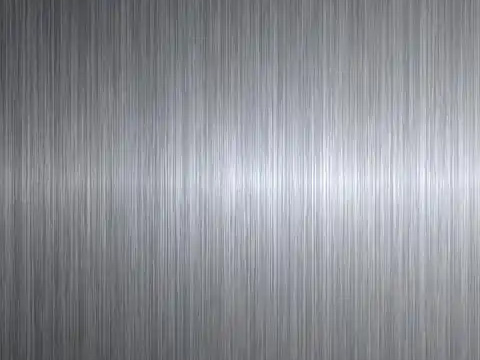
Produced using mechanical abrasive equipment to create linear patterns on the surface of a brushed stainless steel. The grain lines run in a consistent direction, forming a uniform linear texture.The straight-grain brushed finish is suitable for electronic device casings and furniture panels. Straight-Grain brushed finish gives the product’s surface a cleaner, more textured appearance.
Random-Grain Brushed Finish
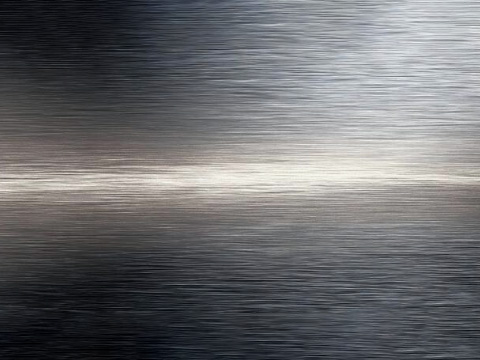
Achieved by moving the metal workpiece in multiple directions beneath a high-speed rotating wire brush. This process produces a matte brushed surface characterized by irregular, non-directional grain patterns. The texture appears random yet refined, making it suitable for creating a subtle premium appearance on products such as high-end home appliances.
Swirl-Grain Brushed Finish
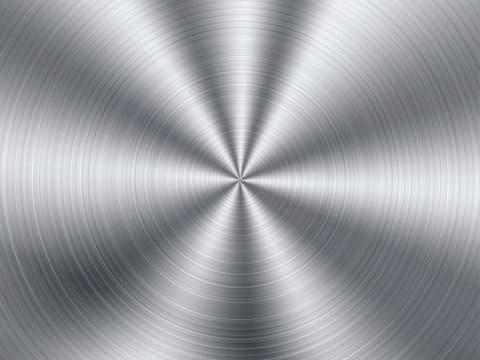
Created by mounting a cylindrical felt wheel or abrasive nylon wheel onto a drill press and applying rotary abrasion to the surface of a metal or metal alloy workpiece, typically with polishing compound as a lubricant. This finish features a distinctive circular or swirling pattern and is commonly used for circular nameplates, decorative dials, and ornamental components where visual appeal is emphasized.
Structural Design Requirements for the Brushing Process
To achieve an optimal brushed finish, engineers must adhere to the following structural design requirements:
Processing Range & Size Limit
The brushing process is limited by machine capacity, with a typical maximum size of 1000 mm. The recommended minimum material thickness is T = 0.5 mm. Excessively thin materials may deform during processing.
Grit Selection
Sandpaper grit is identified by a "#" number. Higher grit numbers produce finer textures, while lower numbers create deeper grain patterns. For a consistent and uniform brushed finish, #220-grit abrasives are generally recommended.
Directional Design
Brushed finishes have a defined grain direction, such as linear or cross-directional patterns. The brushing direction should be clearly marked with arrows on drawings.
Raised Surface Considerations
Brushed surfaces should not contain raised features, as protrusions may be ground down during processing. Raised areas on non-brushed surfaces are acceptable if they can be avoided or isolated with fixtures.
Process Sequence
Brushing removes surface material and should be completed before other surface treatments, such as anodizing, plating, or coating.
Material Removal Allowance
Typical material removal is 0.05–0.1 mm per side. Designers should account for sufficient thickness allowance.
Conclusion
A brushed finish can significantly enhance both the visual appeal and tactile quality of a product. By gaining a deep understanding of various brushing methods, surface textures, and key design parameters, such as grain direction, abrasive grit selection, and material allowance—engineers are empowered to make more optimized design decisions.
With 20 years of experience in stainless steel machining, covering a wide range of materials including grades 304 and 316 as well as various other steels, LVMA CNC frequently assists clients who choose to incorporate the metal brushing process into their manufacturing projects.
Media Contact
Company Name: Zhejiang LVMA Electric Co,. Ltd.
Email: Send Email
Country: China
Website: https://www.lvma-ats.com/