In today’s super competitive world of custom apparel, picking the right factory for sublimation shirts is a pretty big deal. The industry is booming — it’s expected to hit around $412 billion by 2025, which shows just how much demand there is. Sublimation shirts, with their bright colors and durability, are actually a big part of that growth. You’ve probably seen brands like Custom Ink and Printful proving just how effective sublimation can be for elevating product quality.But here’s the thing: not every manufacturer out there guarantees top-notch quality. Some might cut corners when it comes to materials or printing techniques, and that can really impact how happy your customers are. Studies even show that about 70% of folks prefer high-quality prints, making it super important to pick the right partner. So, businesses really need to do their homework. Things like how much they can produce, their expertise, and how much they’ve invested in tech all matter when it comes to choosing a reliable supplier.A lot of factories claim they’re the best option, but truthfully, many don’t fully open up about what they do behind the scenes. Checking out case studies and customer reviews can help spot any red flags you might miss at first glance. Asking the right questions is key — it can really help point the way toward finding a trustworthy manufacturing partner. Overall, finding that perfect ODM/OEM factory for sublimation shirts isn’t just about luck; it takes some thoughtful research and making informed choices.
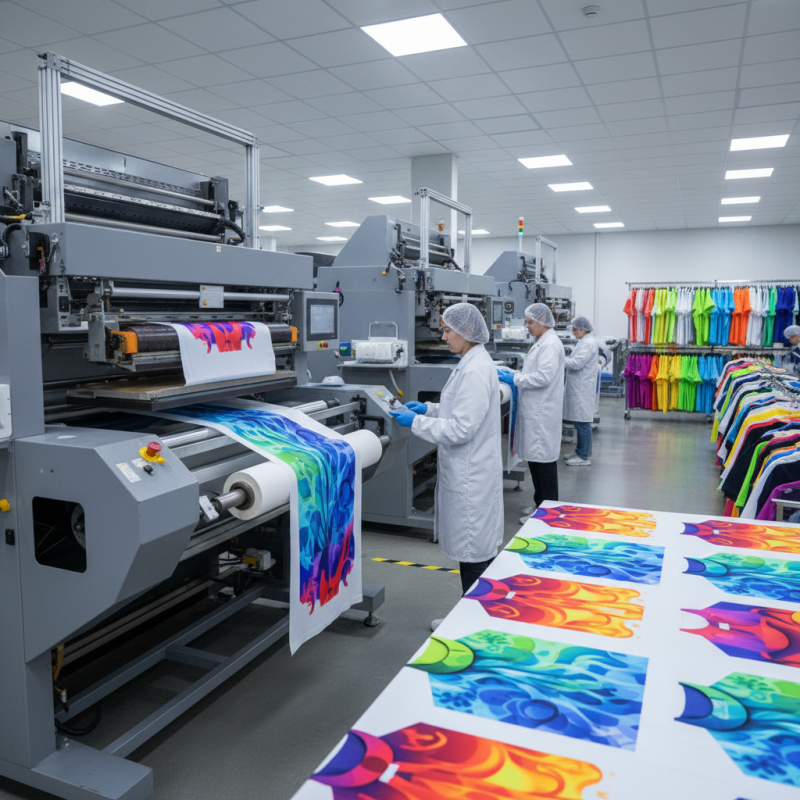
Overview of ODM and OEM in Custom Apparel Manufacturing
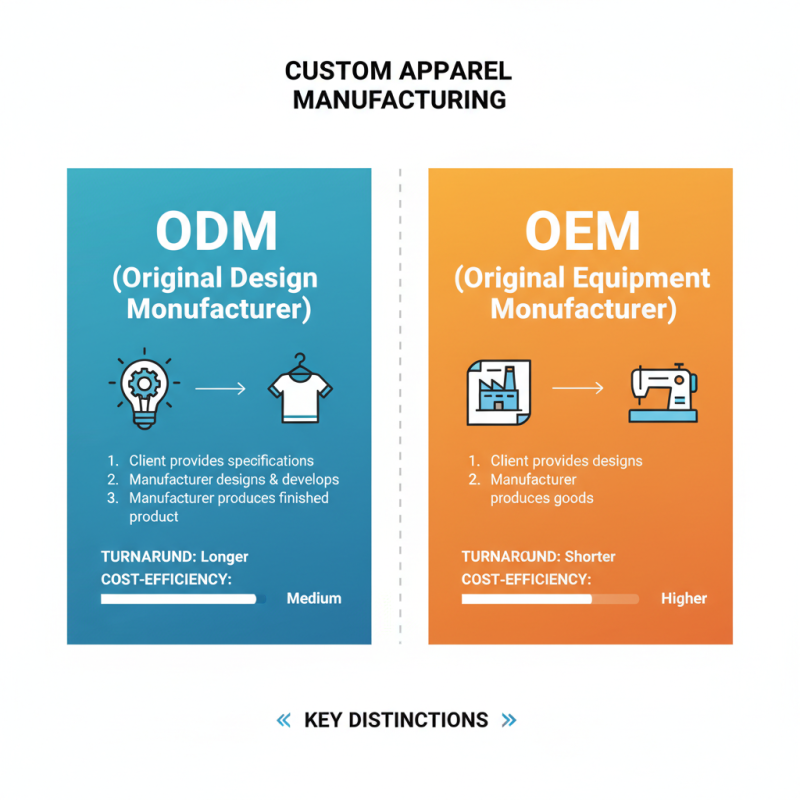
In custom apparel manufacturing, ODM (Original Design Manufacturer) and OEM (Original Equipment Manufacturer) play crucial roles. ODM involves designing products based on a client’s specifications. The manufacturer handles the entire process, from design to production. In contrast, OEM focuses on producing goods based on a client's designs. This distinction can significantly affect turnaround times and cost-efficiency.According to recent industry reports, the global custom apparel market is projected to grow by 7% annually. With this growth, partnerships with reliable ODM and OEM factories are essential. Many brands seek factories that blend innovation with cost-effectiveness. This ensures that their unique designs maintain high quality while meeting consumer demand. However, relying solely on exterior manufacturers can pose risks, such as quality control issues and communication barriers.Trustworthiness in this sector is vital. Companies often face challenges with varying standards and practices across factories. Reliable data and expert insights inform businesses about the best practices in selecting partners. Making informed choices requires ongoing assessment of production quality and accountability. Collaborating closely with these manufacturers can enhance product offerings and reduce inefficiencies.
Key Benefits of Using Sublimation Printing for Apparel Production
Sublimation printing is revolutionizing the custom apparel industry. With this technique, colors penetrate the fabric, ensuring vibrant and long-lasting designs. Studies show that sublimation printing can last up to 200 washes without fading, making it a reliable choice for businesses. This durability is essential for consumers who seek quality in their clothing.
Moreover, sublimation offers flexibility in design. It allows for complex patterns and vibrant colors that traditional printing methods struggle to achieve. According to the latest market report, over 70% of businesses in the fashion industry are shifting towards sublimation printing for their unique capabilities. The ability to produce intricate designs quickly leads to lower production costs and faster turnaround times.
On the flip side, there are challenges to consider. Sublimation works best on polyester or polymer-coated materials. This limits the range of fabrics that can be used. Additionally, the initial setup costs may be higher than other printing methods. Businesses must weigh these factors to decide if sublimation aligns with their production goals. Understanding these nuances is crucial for any apparel company aiming to stay competitive in an evolving market.
Criteria for Selecting the Best Sublimation Shirt Factory
When choosing the best sublimation shirt factory, several key criteria come into play. Quality control is paramount. A factory must have strict checks in place. Reports indicate that 30% of apparel defects stem from production errors. Understanding their process ensures higher quality standards.
Expertise and experience also matter. A factory with over a decade in the industry can navigate challenges better. According to industry surveys, 70% of successful custom apparel brands prioritize factories with such experience. Communication plays a vital role as well. A factory that is responsive fosters collaboration, aiding in design and adjustments.
Sustainability is an area requiring reflection. Many facilities still use harmful dyes. It's essential to seek out those using eco-friendly alternatives. Data suggests that consumers are increasingly valuing sustainable products, with 62% willing to pay more for them. Identifying a factory that aligns with these values is crucial for long-term brand authenticity. Quality, communication, experience, and sustainability form the backbone of selecting a sublimation shirt factory.
Top Features to Look for in a Custom Apparel Manufacturer
When choosing a custom apparel manufacturer, certain features are essential. Experience in sublimation printing is paramount. A factory should have a strong track record in producing high-quality products. Look for manufacturers that showcase their work. Photographic evidence of past projects speaks volumes about their capabilities.
In addition to experience, flexibility is crucial. A reliable manufacturer can adapt to your specifications. Whether it’s fabric choice or design adjustments, they should offer options. Communication plays a pivotal role too. Open dialogue ensures both parties are on the same page. Timely updates lead to smoother production processes, reducing the chance of errors.
Quality control measures are another vital aspect. Verify if the factory employs strict procedures for quality assurance. It's concerning if they overlook this step. A good manufacturer stands by their products. They should be willing to resolve any production issues post-delivery, showing commitment to customer satisfaction.
Process of Custom Apparel Production: From Design to Delivery
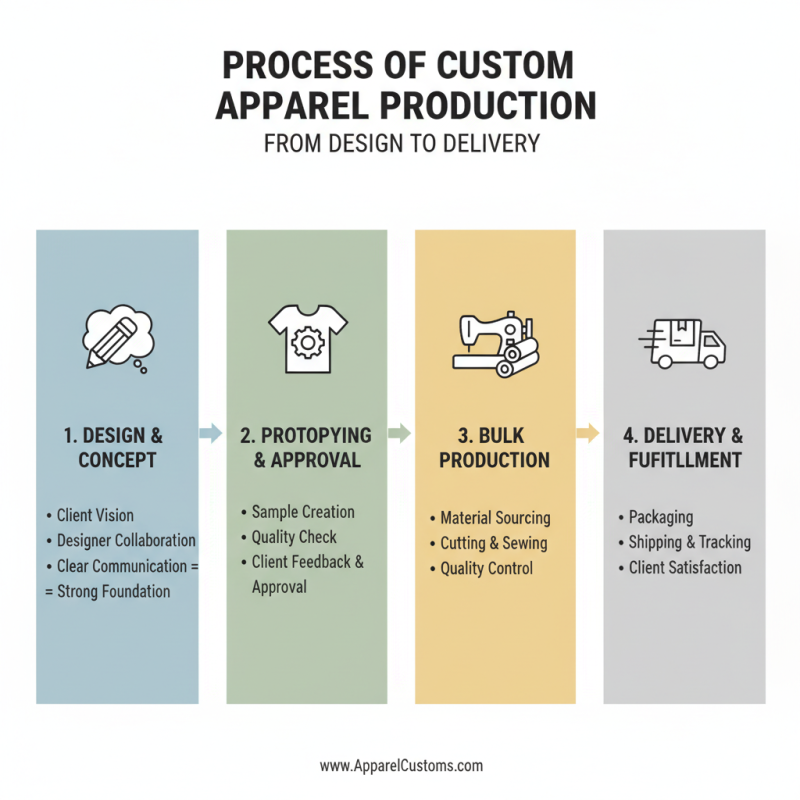
Creating custom apparel involves a detailed process that ensures quality and satisfaction. Starting with design, collaboration between designers and clients is vital. Clients should articulate their vision clearly. This step lays the foundation for the entire production journey. Without effective communication, misunderstandings can arise, leading to undesirable outcomes.After finalizing the design, the next stage is sampling. This is where the design transforms into a physical prototype. It’s a critical phase, as adjustments may be necessary. Clients often overlook the importance of this stage. The sample allows for testing fabric, colors, and fit before bulk production. During this time, feedback should be precise to avoid issues later.Tips: Always ask for fabric swatches. Understanding material behavior pre-production helps in making informed decisions. Be prepared for revisions. Expect that the first sample may not be perfect. Patience is key in this phase. Ultimately, clear communication with the manufacturer can streamline the process, reducing delays and enhancing satisfaction in the final product.
Quality Control Measures in Sublimation Shirt Manufacturing
Quality control is essential in sublimation shirt manufacturing. It ensures the products meet high standards and customer expectations. Factories must implement strict quality measures throughout the production process. This includes inspecting raw materials carefully before they enter production.Regular checks during the printing process are crucial. Any misalignment or color inconsistency can lead to unsatisfactory results. Factories often use sample tests to identify potential issues. This allows for early intervention and correction. However, not all factories prioritize these measures, leading to inconsistencies that can affect customer satisfaction.Final inspections play a key role in quality control. Before shipment, each shirt should be scrutinized for defects and proper color saturation. Any flaws can diminish a brand’s reputation. Some companies may overlook this step due to time constraints or cost-saving measures. This is a risk that can have long-term consequences for both the factory and the brand it serves.
Trends in Custom Apparel: Sustainability and Innovation in Production
The custom apparel industry is experiencing a notable shift towards sustainability. Factories are increasingly adopting eco-friendly practices. This includes using organic materials and minimizing waste during production. Many brands aim to reduce their carbon footprint. However, achieving true sustainability remains a challenge. The balance between cost and eco-practices often raises questions.Innovation in production techniques is another key trend. Advanced printing technologies, such as sublimation, allow for vibrant designs and minimal environmental impact. Digital printing reduces water usage compared to traditional methods. Yet, this technology can sometimes compromise fabric quality. Finding the right balance between innovation and reliability is crucial.Moreover, consumer demand for transparency is rising. Shoppers want to know the sourcing of materials. They seek brands that align with their values. This shift challenges manufacturers to adapt. They must ensure ethical labor practices along with sustainable methods. Building trust becomes essential in this evolving landscape. It invites reflection on the industry's future and its responsibility.
Best ODM OEM Sublimation Shirts Factory for Custom Apparel Production
| Factory Location | Production Capacity (Units/Month) | Sustainability Practices | Innovative Technologies Used |
|---|---|---|---|
| China | 500,000 | Recycled materials, Water-saving technology | Digital printing, Automated cutting |
| Bangladesh | 300,000 | Fair Trade compliance, Eco-friendly inks | 3D sampling, CAD technology |
| Vietnam | 400,000 | Organic materials, Low carbon footprint | Smart technology integration, Virtual fitting rooms |
| India | 350,000 | Sustainable sourcing, Water recycling | Custom embroidery machines, Efficient dyeing processes |
Creating Personalized T-Shirts with Custom Heat Transfer Printing for Men: A Step-by-Step Guide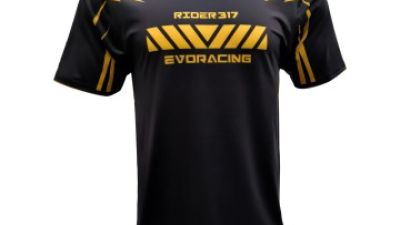
Customization T-shirts Heat Transfer Printing Your Own Design T-shirts for Men
Creating personalized T-shirts with custom heat transfer printing has gained tremendous popularity among men seeking unique fashion statements and personalized workout gear. This trend not only allows for creative expression but also aligns with the increasing demand for customized apparel in the global fashion market, which is projected to reach $1 trillion by 2025. Incorporating advanced textile technologies, the production of these shirts has evolved to include specialized fabrics that enhance performance, making them ideal for both casual wear and fitness activities.One of the standout features of personalized T-shirts is the use of cool-touch polyester fibers that provide a significant advantage during exercise. These fibers are designed to draw heat away from the skin on contact, offering breathability that keeps the wearer comfortable. According to industry reports, micro-ventilation channels and breathable mesh inserts are now essential elements in high-performance apparel, contributing to improved airflow and moisture management. This technology ensures that even during the most intense workouts, the T-shirts remain lightweight and non-stick, which is essential for maintaining comfort over prolonged periods.As men emphasize both style and functionality in their clothing choices, the shift towards custom heat transfer printing reflects a broader trend in personal branding and athletic wear. The combination of personalization with high-performance materials caters to an audience that values both aesthetics and practicality, making it easier to transition from gym to casual outings without compromising on comfort or appearance. With these advancements, creating your own personalized T-shirt has never been more rewarding or accessible.
Conclusion
The article provides a comprehensive overview of ODM (Original Design Manufacturer) and OEM (Original Equipment Manufacturer) in the realm of custom apparel manufacturing, with a particular focus on sublimation shirts. It highlights the key benefits of using sublimation printing, such as vibrant colors and durability, making it an ideal choice for custom apparel production.Additionally, the article outlines important criteria for selecting the best sublimation shirt factory, including quality control measures and innovative production processes. It emphasizes the significance of sustainable practices and trends within the custom apparel sector, ensuring that manufacturers not only meet quality standards but also align with environmentally friendly production methods. Overall, the piece serves as a valuable guide for businesses seeking to leverage sublimation shirts for their custom apparel needs.
Media Contact
Company Name: Shenzhen Achieve Sportswear Co., Ltd.
Email: Send Email
Country: China
Website: https://www.szachieve.com/