High cholesterol remains one of the most significant risk factors for cardiovascular disease worldwide. While lifestyle modification and pharmacologic therapy remain first-line treatments, a growing body of research highlights the role of surgical interventions in select, high-risk patients.
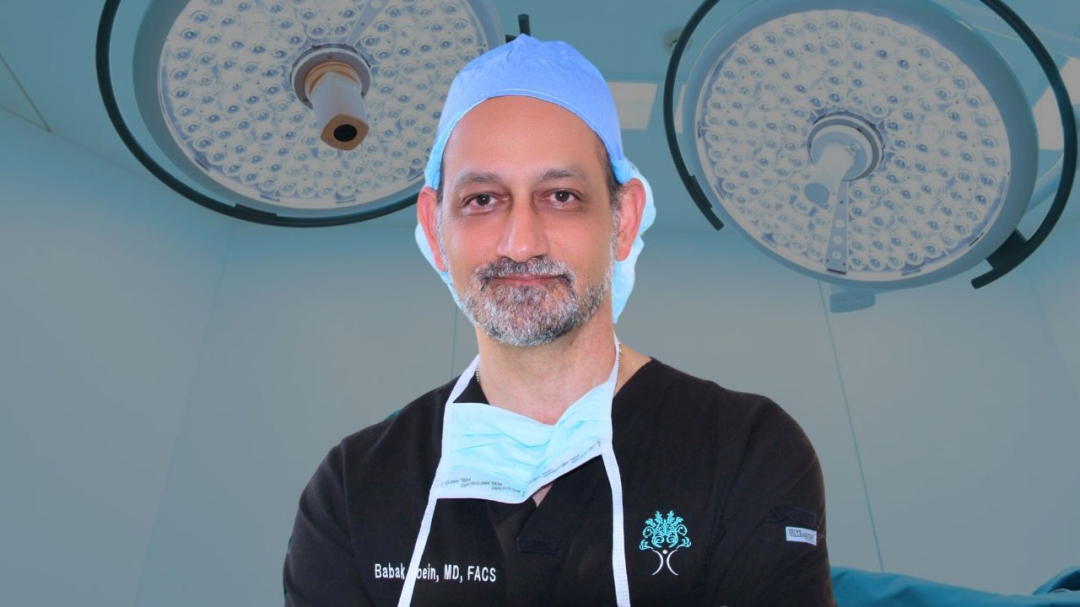
At Healthy Life Bariatrics, under the leadership of Dr. Babak Moeinolmolki, advanced metabolic and bariatric strategies are increasingly being integrated into comprehensive cholesterol management protocols.
Understanding the Pathophysiology of High Cholesterol
Cholesterol is an essential lipid involved in hormone production and cellular function. However, elevated levels—particularly low-density lipoprotein (LDL)—can lead to atherosclerosis, a condition characterized by plaque buildup within arterial walls.
This progressive narrowing of arteries significantly increases the risk of:
-
Myocardial infarction (heart attack)
-
Cerebrovascular accident (stroke)
-
Peripheral vascular disease
As the burden of hypercholesterolemia rises, so does the need for more effective and individualized treatment strategies.
When Standard Treatments Are Not Enough
For most patients, treatment begins with:
-
Dietary modification
-
Physical activity
-
Pharmacotherapy, particularly statins
While statins are highly effective, approximately 10–20% of patients either do not respond adequately or cannot tolerate these medications. In such cases, alternative interventions—including procedural and surgical options—may be considered.
Surgical Interventions for Severe Hypercholesterolemia - LDL Apheresis: Targeted Lipid Removal
LDL apheresis is a specialized procedure that mechanically removes LDL cholesterol from the bloodstream. Similar to dialysis, it can reduce LDL levels by 60–70% per session, making it particularly valuable for patients with familial hypercholesterolemia (FH).
However, the treatment is temporary and requires repeated sessions, typically every 1–2 weeks.
PCSK9 Inhibition and RNA-Based Therapies
PCSK9 plays a critical role in regulating LDL clearance. Advanced therapies—including RNA interference (RNAi)—target this pathway to significantly reduce LDL levels.
Clinical data suggests reductions of up to 60% in LDL cholesterol, although long-term durability and cost remain important considerations.
The Role of Bariatric Surgery in Cholesterol Reduction - A Metabolic Approach to Lipid Control
Bariatric surgery, traditionally used for weight loss, has demonstrated substantial metabolic benefits, including improvements in lipid profiles.
Procedures such as:
-
Sleeve gastrectomy
-
Biliopancreatic diversion
have been shown to reduce:
-
Total cholesterol
-
LDL cholesterol
-
Triglycerides
These effects are mediated not only by weight loss but also by hormonal and metabolic changes that influence lipid regulation.
Patient Selection: A Critical Determinant of Success
According to Dr. Moein, bariatric surgery is not a universal solution for high cholesterol. It is generally reserved for:
-
Patients with BMI ≥40, or
-
Patients with BMI ≥35 with comorbidities, including hypercholesterolemia
Careful patient selection ensures that surgical intervention provides meaningful benefit while minimizing risk.
Balancing Risks, Benefits, and Ethical Considerations
Surgical and interventional approaches are inherently more invasive and costly than traditional treatments. As such, their use requires careful consideration of:
-
Risk-to-benefit ratio
-
Long-term efficacy
-
Accessibility and cost
-
Ethical implications, particularly in gene-based therapies
A personalized, patient-centered approach remains essential.
Expert Insight: Dr. Moein’s Integrated Approach to Metabolic Health
With advanced training in bariatric and minimally invasive surgery, Dr. Moein emphasizes a comprehensive and individualized treatment model.
At Healthy Life Bariatrics, patients undergo:
-
Detailed metabolic evaluation
-
Cardiovascular risk assessment
-
Nutritional and lifestyle counseling
This integrated strategy ensures that surgical interventions are used appropriately and effectively within the broader context of long-term health optimization.
Media Contact
Company Name: Healthy Life Bariatrics
Contact Person: Bariatric Surgeon Dr.Moeinolmolki
Email: Send Email
Phone: +1(310)861-4093
Address:2080 Century Park East, Suite 501
City: Los Angeles
State: CA
Country: United States
Website: https://healthylifebariatrics.com/