As wildfire activity increases across much of the United States from August through October, Pawprint Oxygen is drawing attention to the respiratory risks that smoke poses to household pets and the preparations that owners, shelters, and rescue organizations should have in place before conditions worsen.
Wildfire smoke is made up of gases and fine particles released when trees, plants, and other materials burn. These particles can irritate and damage the airways of dogs, cats, and other animals, sometimes triggering respiratory distress even in pets that remain indoors. Because animals have smaller lungs, faster breathing rates, and lower body weights than people, they can be affected by poor air quality more quickly than their owners realize.
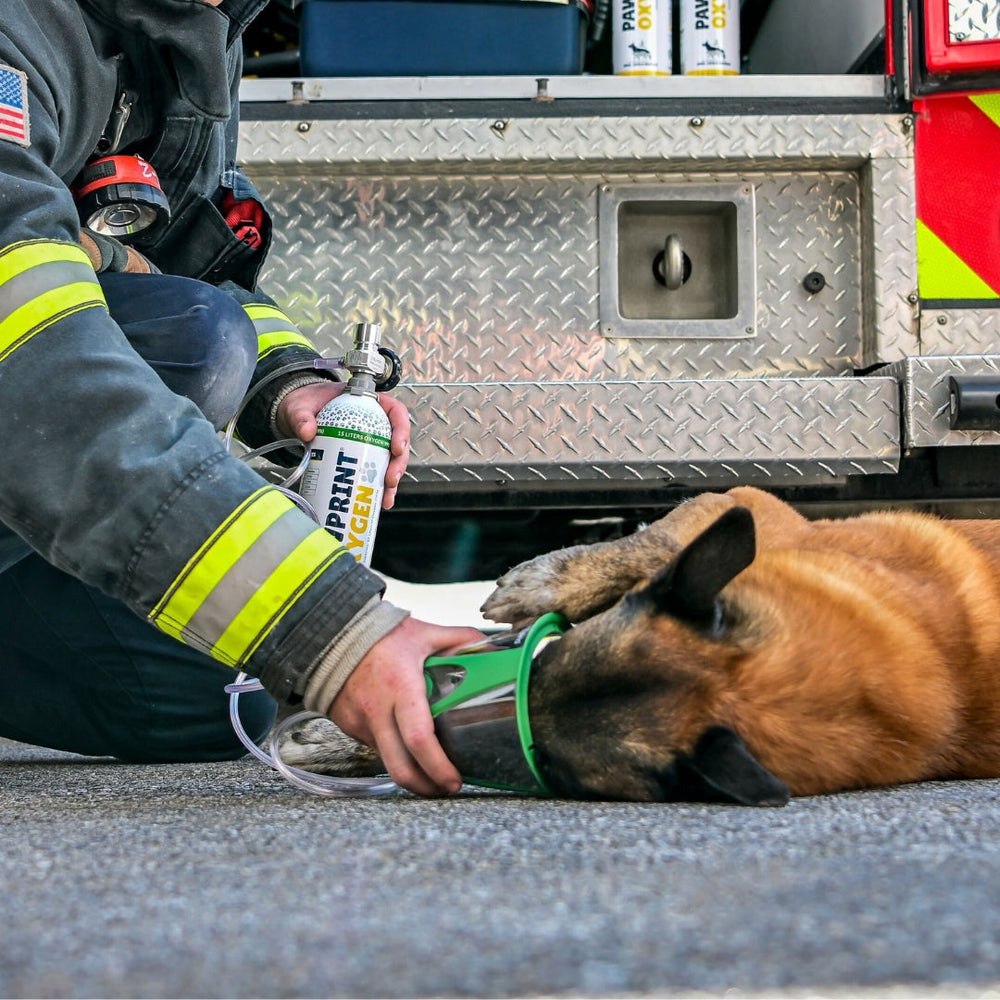
Smoke inhalation in pets can produce a range of symptoms, including coughing, wheezing, difficulty or noisy breathing, eye irritation, lethargy, decreased appetite, and pale or discolored gums. Some signs appear immediately, while others may develop hours after exposure. Certain animals face higher risk, including flat-faced breeds such as pugs and bulldogs, senior pets, very young puppies and kittens, and animals with pre-existing heart or respiratory conditions.
"Pets cannot tell anyone when the air is making them sick, so owners have to watch for the signs and act early," said Blake Dube, spokesperson for Pawprint Oxygen. "Labored breathing, persistent coughing, or a change in gum color are indications that an animal needs veterinary attention without delay."
Pawprint Oxygen advises that protecting pets from wildfire smoke begins with reducing exposure. Recommended steps include keeping pets indoors during smoke events, limiting outdoor activity to brief and necessary trips, closing windows and doors, running air conditioning or air purifiers, and monitoring local air quality reports. Owners are encouraged to watch closely for changes in breathing and behavior and to contact a veterinarian promptly when symptoms appear.
The company notes that households, animal shelters, and rescue organizations can benefit from preparing in advance of wildfire season. A pet emergency plan may include identifying pet-friendly evacuation shelters, keeping a list of emergency veterinary contacts, and assembling a preparedness kit with food, water, medications, and records. Pet-specific oxygen equipment can also be part of that preparedness, since standard human oxygen masks are not shaped for animal anatomy.
"Emergency oxygen equipment is one tool that can support a pet on the way to care, but it is not a substitute for a veterinarian," Dube added. "The goal is to help owners and shelters respond calmly and get animals professional treatment as quickly as possible."
Pawprint Oxygen emphasizes that oxygen equipment does not treat or cure smoke inhalation and that any animal showing distress should be evaluated by a licensed veterinarian. Severe or worsening symptoms, collapse, or persistent breathing difficulty warrant immediate emergency care.
Pawprint Oxygen specializes in oxygen-related products for pets, including rescue oxygen kits, chambers, concentrators, masks, and first aid supplies designed for use at home, in the car, or on the way to veterinary care. Its products are used and recommended by thousands of veterinary hospitals across the country.
###
For more information about Pawprint Oxygen, contact the company here:
Pawprint Oxygen
Blake Dube
info@pawprintoxygen.com
921 Saw Mill Run Blvd
Pittsburgh, PA 15220
United States