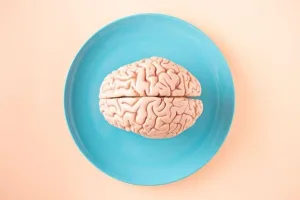
Brain health often enters the conversation when someone starts forgetting names or finding it harder to focus. In reality, it matters long before older age. The World Health Organization (WHO) describes brain health across cognitive, sensory, social-emotional, behavioral, and motor functions, with the goal of helping people “realize their full potential over the life course” (World Health Organization, 2022).
That broader view is useful because there is no single brain-health switch to flip. Sleep, movement, nutrition, cardiovascular health, hearing, vision, learning, and social connection all matter. None can guarantee that a person will avoid dementia or another neurological condition, but many are practical areas where everyday choices can make a difference.
Start With the Basics, Not a Miracle Fix
Brain health can feel like a specialized subject, yet many of the most useful habits are familiar. For readers interested in the nutrition side of cognitive wellness, https://www.fenixhealthscience.com/ provides information about nutrients used in brain-health products. Some people use supplements to address nutritional needs or follow a clinician’s advice, but they should sit alongside, not replace, a balanced diet, sleep, physical activity, and appropriate medical care.
That distinction matters. A supplement can’t compensate for untreated high blood pressure, chronic sleep loss, smoking, or a consistently poor diet. Anyone considering a supplement should also discuss it with a health care professional when medications, pregnancy, chronic conditions, or nutrient deficiencies are involved.
Move Your Body Regularly
Physical activity supports more than muscles and heart health. Federal physical activity guidance reports benefits for brain health, sleep, mood, and everyday functioning (U.S. Department of Health and Human Services, 2018). The Centers for Disease Control and Prevention also reports that regular activity can help keep thinking, learning, and judgment skills sharp with age and is associated with a lower risk of dementia and depression (Centers for Disease Control and Prevention, 2025).
For most adults, a practical target is at least 150 minutes of moderate-intensity activity each week, along with muscle-strengthening activity on two days. It doesn’t have to happen in a gym. Brisk walking, cycling, swimming, dancing, active yard work, and taking the stairs all count.
The best routine is one that can be repeated. A 20-minute walk most days may be more useful than an ambitious plan that disappears after two weeks.
Eat for Your Heart and Your Brain
The brain depends on a healthy blood supply, so habits that protect cardiovascular health also deserve a place in a brain-health routine. The American Heart Association’s Life’s Essential 8 framework includes diet, physical activity, sleep, avoiding nicotine, and managing weight, cholesterol, blood sugar, and blood pressure (Lloyd-Jones et al., 2022).
A sensible eating pattern centers on vegetables, fruit, whole grains, beans, nuts, seeds, fish or other lean proteins, and unsaturated fats such as olive oil. It also limits excess sodium, added sugars, and highly processed foods.
There is no single “brain food” proven to prevent cognitive decline. Research on patterns such as Mediterranean and MIND diets has produced encouraging results in some studies, but the evidence isn’t uniformly positive. For example, a three-year randomized trial of the MIND diet found no significant difference in cognitive change between the intervention group and a calorie-restricted control group (Barnes et al., 2023).
That is a useful reminder to focus on overall diet quality rather than expecting one food or eating plan to act like medicine.
Make Sleep a Nonnegotiable Health Habit
Sleep is active biological time for the brain. It supports attention, learning, memory, emotional regulation, and decision-making. Most adults should aim for roughly seven to nine hours a night, although individual needs vary (Lloyd-Jones et al., 2022).
Consistency often matters as much as good intentions. Keep a regular sleep and wake time when possible, get daylight during the day, reduce late caffeine, and create a dark, quiet bedroom.
Loud snoring, pauses in breathing, persistent insomnia, or frequent daytime sleepiness deserve attention. Rather than simply trying to catch up on sleep over the weekend, discuss ongoing problems with a health care professional.
Keep Learning and Stay Connected
Brains respond to experience throughout life. Reading, learning a language, practicing an instrument, solving problems, taking a class, or mastering a new practical skill can add variety and challenge to the day. No commercial brain game has been shown to provide a guaranteed shield against dementia, so meaningful activities and continued learning matter more than chasing a perfect score on an app.
Social connection belongs in the same conversation. The 2024 Lancet Commission identifies social isolation as one of 14 potentially modifiable dementia risk factors (Livingston et al., 2024).
Regular contact with friends, family, neighbors, community groups, or volunteer organizations can provide conversation, emotional support, movement, and mental stimulation at the same time. For someone who lives alone or works remotely, even putting recurring social activities on the calendar can make connection more intentional.
Pay Attention to Blood Pressure, Hearing, and Vision
Some brain-health habits happen at home; others happen during routine checkups. High blood pressure, diabetes, high LDL cholesterol, smoking, physical inactivity, hearing loss, and untreated vision loss all appear among the potentially modifiable risk factors discussed by the Lancet Commission (Livingston et al., 2024).
The Commission estimated that about 45% of dementia cases could potentially be delayed or prevented by addressing 14 risk factors across the life course. That figure is a population-level estimate, not a promise for any individual. Genetics, age, environment, access to health care, and other factors also influence risk.
Still, the practical message is clear: know your blood pressure, cholesterol, and blood sugar; use hearing protection around loud noise; keep up with eye and hearing care; avoid smoking; and protect your head with seat belts and appropriate helmets.
Lead author Gill Livingston summarized the life-course approach simply: “It’s never too early or too late to take action” (Livingston et al., 2024).
Adjust the Priorities, Not the Principle
At younger ages, brain health may look like enough sleep, daily movement, safe sports practices, good nutrition, learning, and avoiding nicotine.
In the working years, it may mean protecting sleep despite a busy schedule, staying active, maintaining relationships, and keeping an eye on blood pressure and metabolic health.
Later in life, maintaining strength and balance, protecting hearing and vision, staying socially involved, and managing chronic health conditions become especially important. The details change, but the principle doesn’t: small habits repeated over years matter more than occasional health kicks.
Conclusion
Brain health isn’t a project reserved for old age, and it isn’t something a single food, app, or supplement can secure. It is supported by ordinary actions carried out consistently: moving, sleeping well, eating a high-quality diet, learning, staying connected, protecting the senses, and managing cardiovascular risks.
That may sound less exciting than a quick fix, but it is more practical. Brain health can be supported in everyday life, one repeatable choice at a time.
References
Barnes, L. L., Dhana, K., Liu, X., Carey, V. J., Ventrelle, J., Johnson, K., Hollings, C. S., Bishop, L., Laranjo, N., Stubbs, B. J., Reilly, X., Agarwal, P., Zhang, S., Grodstein, F., Tangney, C. C., Holland, T. M., Aggarwal, N. T., Arfanakis, K., Morris, M. C., & Sacks, F. M. (2023). Trial of the MIND diet for prevention of cognitive decline in older persons. New England Journal of Medicine, 389(7), 602–611. https://doi.org/10.1056/NEJMoa2302368
Centers for Disease Control and Prevention. (2025, August 13). Physical activity boosts brain health. https://www.cdc.gov/physical-activity/features/boost-brain-health.html
Livingston, G., Huntley, J., Liu, K. Y., Costafreda, S. G., Selbæk, G., Alladi, S., Ames, D., Banerjee, S., Burns, A., Brayne, C., Fox, N. C., Ferri, C. P., Gitlin, L. N., Howard, R., Kales, H. C., Kivimäki, M., Larson, E. B., Nakasujja, N., Rockwood, K., … Mukadam, N. (2024). Dementia prevention, intervention, and care: 2024 report of the Lancet standing Commission. The Lancet, 404(10452), 572–628. https://doi.org/10.1016/S0140-6736(24)01296-0
Lloyd-Jones, D. M., Allen, N. B., Anderson, C. A. M., Black, T., Brewer, L. C., Foraker, R. E., Grandner, M. A., Lavretsky, H., Perak, A. M., Sharma, G., & Rosamond, W. (2022). Life’s Essential 8: Updating and enhancing the American Heart Association’s construct of cardiovascular health: A presidential advisory from the American Heart Association. Circulation, 146(5), e18–e43. https://doi.org/10.1161/CIR.0000000000001078
U.S. Department of Health and Human Services. (2018). Physical activity guidelines for Americans (2nd ed.). https://health.gov/paguidelines/second-edition/
World Health Organization. (2022). Optimizing brain health across the life course: WHO position paper. https://www.who.int/publications/i/item/9789240054561