In today's super-connected world, the efficiency of global supply chains really depends on a bunch of different factors. One thing that's often overlooked but super important is Surface Cleaning. According to Dr. Jane Smith from CleanTech Solutions, it’s not just about making things look shiny—"Surface Cleaning is about keeping products safe and intact all along the supply chain." Makes sense, right? It’s a key piece of the puzzle when it comes to making sure products are of good quality.Getting surfaces properly cleaned can actually prevent contamination and keep things safe, especially in food manufacturing. A squeaky-clean surface can stop nasty bacteria from sneaking in. But here’s the thing—some companies kind of overlook how crucial this step is. They might think it’s just a minor detail, but ignoring it can cause some serious hiccups in the supply chain. It’s definitely worth a second look and some improvements.That said, there are some hurdles too. A lot of businesses struggle to find the right balance between quick, efficient cleaning and doing a thorough job. Some just don’t invest enough in proper protocols or training their staff well. That kind of slack can lead to costly recalls or, worse, damage to their reputation. Fixing these issues is really important if we want the whole global supply chain to run smoothly and efficiently.
Importance of Surface Cleaning in Modern Supply Chains
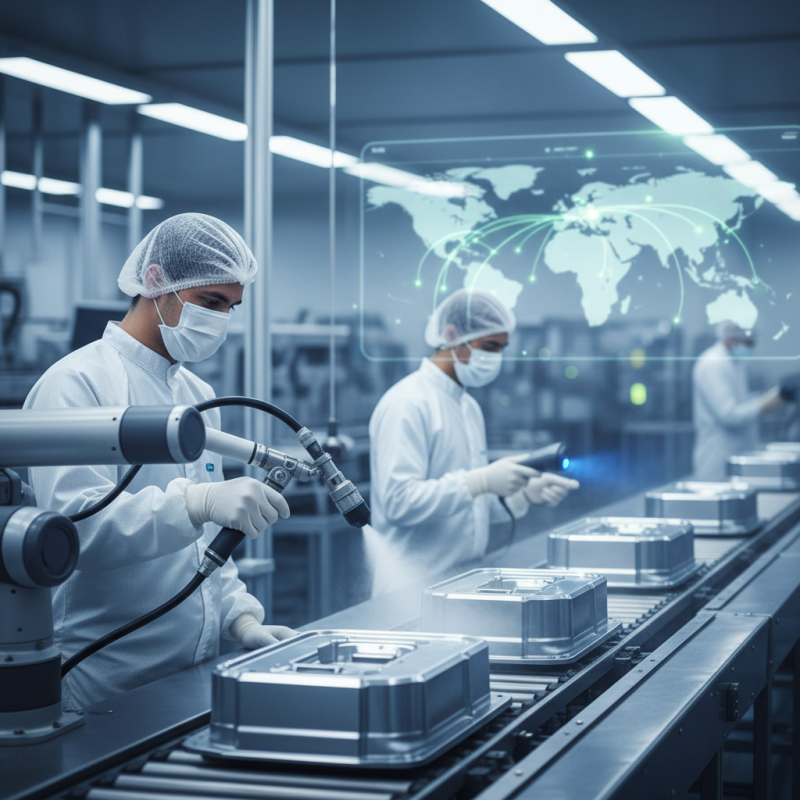
In modern supply chains, the focus on cleanliness has never been more critical. Surface cleaning plays a vital role in maintaining product integrity. Every touchpoint in a supply chain can harbor contaminants that affect goods. A simple act, like how we Clean The Surface of equipment, can prevent many issues. Unexpected outbreaks or recalls can stem from overlooked areas.Effective surface cleaning requires knowledge and protocol. Staff must understand how to clean different materials and surfaces. This involves using the right tools and disinfectants. Each supply chain has unique challenges. What works for one may not work for another. The training process often needs improvement. Regular audits can reveal gaps in cleaning practices. This feedback loop is essential for evolving standards.Moreover, the relationship between cleanliness and efficiencycannot be ignored. Time lost due to contamination can be costly. Delays ripple through the supply chain, affecting delivery times. Clean The Surface, and you not only protect products but also enhance workflow. The importance of surface cleaning goes beyond hygiene; it supports a robust supply chain. Reflecting on our practices can drive meaningful change.
Impact of Hygiene Standards on Global Trade Dynamics
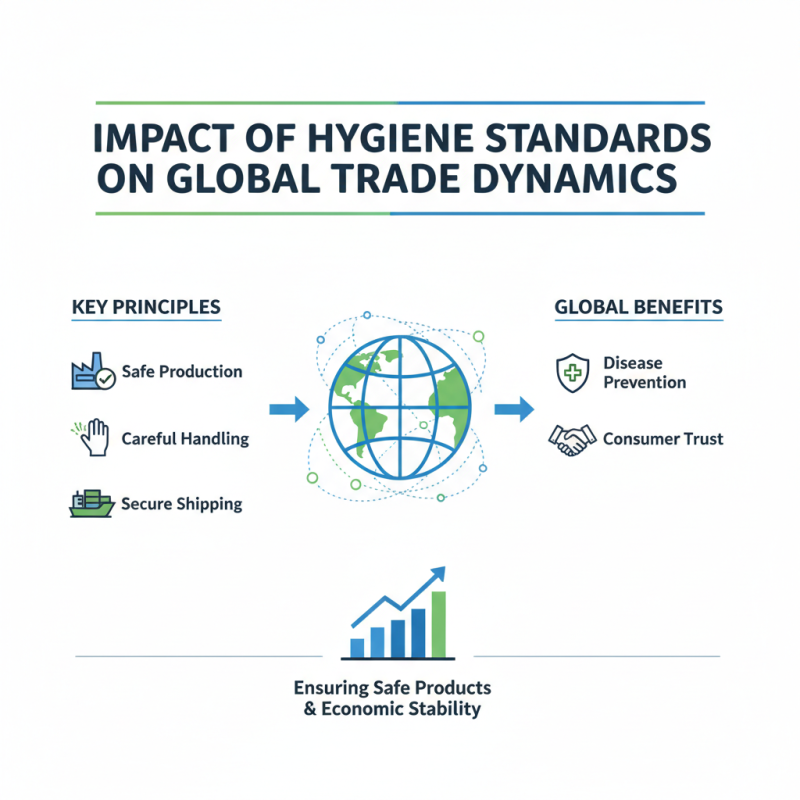
In today's interconnected world, hygiene standards have become a pivotal aspect of global trade dynamics. The focus on cleanliness impacts how goods are produced, handled, and shipped. Companies must adhere to strict hygiene protocols to ensure safe products. This focus helps prevent the spread of diseases, ensuring consumer trust.However, maintaining high hygiene standards can be challenging. Many supply chains operate across various regions, each with different regulations. This inconsistency can cause confusion, leading to potential compliance issues. Businesses face pressure to adapt quickly to these changing standards. Not all companies manage to keep up, risking reputational damage and financial loss.Economic factors also play a role in how these standards are enforced. Smaller businesses often struggle with the costs of implementing stringent hygiene practices. This disparity raises questions about fairness within the global market. When larger corporations dominate, smaller players may be left behind. This uneven landscape highlights the need for more universal guidelines to ensure that hygiene standards are accessible to all.
Surface Contamination Risks and Their Consequences
Surface contamination poses significant risks in global supply chains. Tiny particles, biological agents, and chemicals can linger on surfaces. These contaminants can travel through transportation systems, affecting product integrity. It only takes one contaminated surface to compromise an entire shipment.The consequences of surface contamination are severe. They can lead to product recalls, financial losses, and damage to brand reputation. For instance, a food product touched by contaminated surfaces could harm consumers. Additionally, industries like pharmaceuticals must maintain strict cleanliness standards. Failing to do so puts patients at risk.Despite rigorous protocols, mistakes happen. Oversights in cleaning practices can lead to contamination. Human error and inadequate training can compound these issues. It’s essential to assess current cleaning procedures regularly. This ensures compliance and helps build a resilient supply chain. Trust is paramount, and maintaining clean surfaces is a crucial step in safeguarding that trust.
Why is Surface Cleaning Essential for Global Supply Chains? - Surface Contamination Risks and Their Consequences
| Contamination Type | Risk Level | Impact on Supply Chain | Recommended Cleaning Frequency |
|---|---|---|---|
| Dust and Particulate Matter | Medium | Potential machinery damage, product contamination | Weekly |
| Chemical Residues | High | Health risks, regulatory compliance issues | Daily |
| Biological Contaminants | High | Increased product spoilage, safety hazards | Bi-weekly |
| Microbial Growth | Critical | Severe health risks, product recalls | Monthly |
| Oil and Grease | Medium | Equipment failures, decreased efficiency | Twice a month |
Best Practices for Effective Surface Cleaning in Supply Chain Facilities
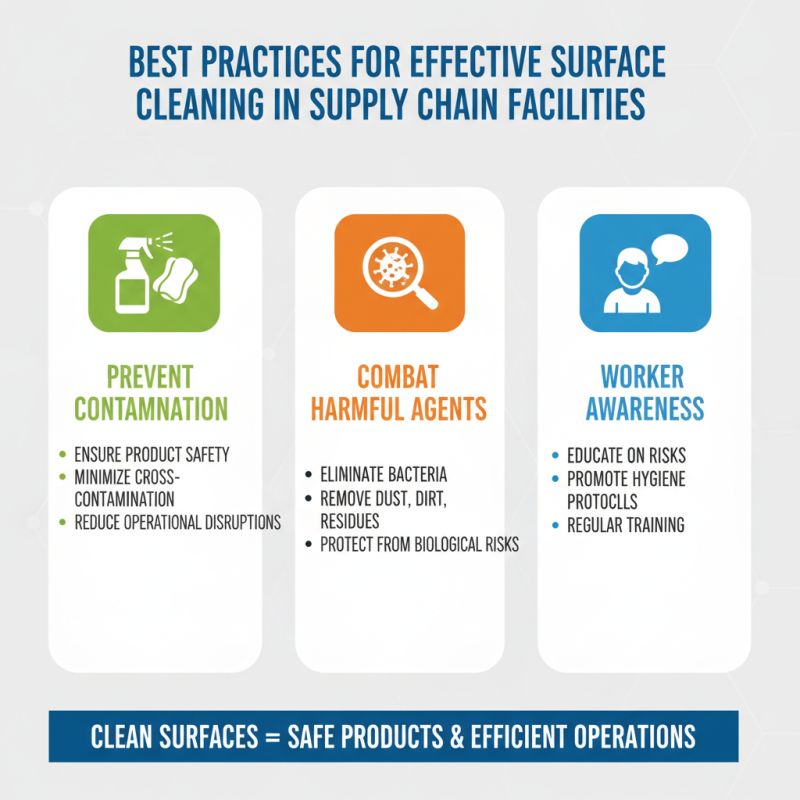
Effective surface cleaning is vital in supply chain facilities. Clean surfaces prevent contamination and ensure product safety. Regular cleaning helps minimize the risk of cross-contamination, which can disrupt operations. Dust, dirt, and residues can harbor harmful bacteria. Workers need to be aware of these risks.Best practices in surface cleaning include using the right tools and techniques. High-efficiency particulate air (HEPA) filters can trap fine particles. Mops and cloths should be microfibre to capture dirt effectively. It is crucial to follow a structured cleaning schedule. Facilities often overlook less-visible areas. A comprehensive audit can highlight neglected surfaces.Training staff on cleaning protocols is equally important. Employees should understand Cleaning Agents and their proper use. Consistent practices lay the groundwork for a safer environment. Inadequate training can lead to mistakes. Facilities must prioritize accountability and regular reviews. A culture of cleanliness can lead to enhanced efficiency and safety.
Regulatory Compliance and Surface Cleaning Protocols
Surface cleaning is crucial for global supply chains, especially regarding regulatory compliance. Various industries face stringent regulations on cleanliness and hygiene. For instance, food safety standards demand that surfaces be free from contaminants. This is where effective surface cleaning protocols come into play. Companies must develop thorough cleaning strategies that align with these rules. Not all cleaning methods are equally effective, which can lead to compliance issues.
Successful surface cleaning practices require clear guidelines. These guidelines need to detail the types of cleaners used and the frequency of cleaning. Training employees on proper sanitization techniques is vital. However, many businesses struggle with consistently following these protocols. Sometimes, staff might overlook specific areas or underestimate the importance of certain cleaning steps. This inconsistency can lead to potential risks in meeting regulatory requirements.
Implementing a Cleaning Way approach can help overcome these challenges. This method emphasizes systematic cleaning and routine checks. Regular audits can identify gaps in cleaning practices. Companies must recognize the need for continuous improvement. Surface cleaning should not be a one-time effort but part of a long-term strategy. Awareness and commitment to these protocols enhance overall supply chain reliability and safety.
Technological Innovations in Surface Cleaning for Supply Chain Efficiency
In the dynamic environment of global supply chains, surface cleaning plays a vital role. As innovations emerge, “High Cleaning” techniques are becoming more essential. These methods enhance productivity by ensuring a cleaner workspace, which minimizes contamination risks. A well-maintained surface can significantly impact product quality. It’s not just about cleanliness; it’s about maintaining trust in the supply chain.Technological advancements are reshaping how we approach cleanliness. Automated cleaning solutions and smart sensors offer precise monitoring of cleanliness levels. Yet, these technologies are not flawless. They require regular calibration and human oversight. There are concerns about over-reliance on machines. Human intuition often spots issues that technology may overlook. Relying solely on advanced systems may lead to complacency.Moreover, adopting these innovations can be resource-intensive. Organizations must weigh the cost of technology against potential gains. Some may overlook the importance of training staff in using these tools effectively. Ignoring this aspect can lead to inefficiencies and mistakes. The success of surface cleaning in supply chains hinges on a balance of technology, human skill, and continuous improvement.
Case Studies: Success Stories of Surface Cleaning in Supply Chains
Surface cleaning plays a vital role in maintaining efficient global supply chains. One case study highlights a food distribution company that faced contamination issues. Customers reported spoilage and health concerns. The company implemented rigorous cleaning protocols, focusing on surfaces where bacteria thrive. As a result, they saw a 30% reduction in spoilage. This success stemmed from a commitment to Cleaning Care.
Another example involves an electronics manufacturer. They struggled with product defects due to dust accumulation in their factories. After adopting strict surface cleaning measures, defect rates dropped significantly. Workers noticed fewer delays in production, enhancing overall productivity. However, not all changes went smoothly. Some employees resisted new cleaning routines, showing that cultural buy-in is crucial for success.
These stories indicate that while surface cleaning is essential, it's not without challenges. Companies must invest in training staff and refining processes. Achieving operational excellence requires both adherence to cleanliness and a willingness to adapt. Balancing Cleaning Care with efficiency is key to thriving in the global marketplace.
Conclusion
Surface cleaning plays a pivotal role in modern supply chains, significantly influencing hygiene standards and global trade dynamics. With the increasing awareness of surface contamination risks, businesses must understand the consequences of neglecting effective cleaning protocols. Implementing best practices for surface cleaning not only enhances the safety and quality of products but also ensures compliance with regulatory requirements.Technological innovations in surface cleaning are revolutionizing efficiency in supply chains, enabling companies to maintain high hygiene standards while optimizing operations. Case studies illustrating successful surface cleaning implementations demonstrate the tangible benefits in risk mitigation and operational continuity. Ultimately, a robust surface cleaning strategy is essential for the resilience and competitiveness of global supply chains.
Media Contact
Company Name: WATER TECHNOLOGY LIMITED
Email: Send Email
Country: China
Website: https://www.8waterhk.com/